
IN THIS MODULE, YOU’LL DISCOVER KEY FACTS ABOUT NATURAL DIAMONDS

The natural diamond industry is one of the most regulated in the world.

No two natural diamonds are exactly alike.

Verification instruments can identify laboratory-grown diamonds from natural diamonds.
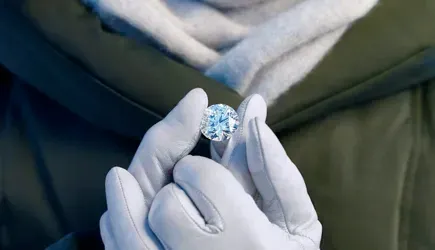

Yes! Natural and laboratory-grown diamonds are different. Natural diamonds and laboratory-grown diamonds differ in their formation, rarity and price, and symbolism. Natural diamonds are ancient creations of the Earth, while laboratory-grown diamonds are modern innovations crafted by humans.

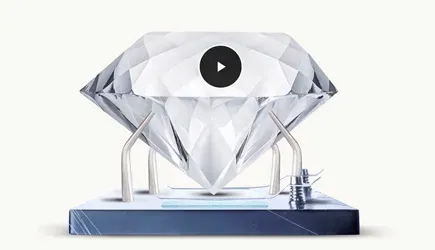
Yes! Laboratory-grown diamonds and natural diamonds can be detected using diamond verification instruments. Laboratory-grown diamonds are not identical to natural diamonds. If they were identical, we would not be able to tell them apart.
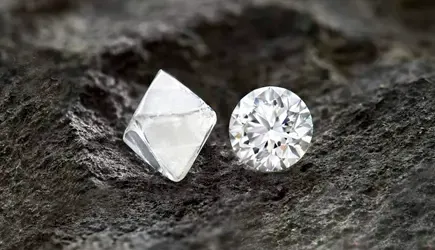
Yes! Natural diamonds are really rare. Just like original art, no two natural diamonds are alike. They are billion-years-old miracles of Mother Nature that hold unique characteristics and inclusions, making them intimately personal items and the oldest things you will ever touch.
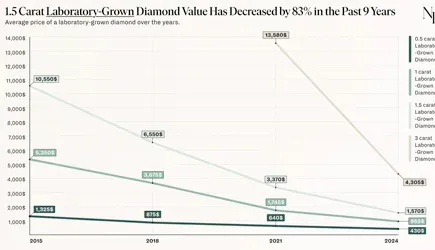
When laboratory-grown diamonds began appearing in commercial quantities in the jewelry market in 2016, prices were slightly less than natural diamonds. Today the prices for laboratory-grown diamonds have fallen by over 80% for 1.5ct, and more for other sizes.
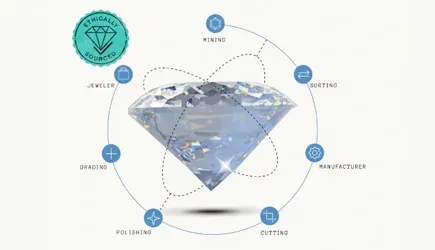
Yes! Natural diamonds are traceable and conflict-free. The diamond industry is highly regulated. Under the Kimberley Process mandated by the United Nations and the World Trade Organization, all rough diamond trade is strictly regulated to ensure it is conflict-free.

No! All laboratory-grown diamonds are not eco-friendly. Laboratory-grown diamonds may not always be as sustainable as some claim.

The natural diamond industry has set out on its journey to decarbonize in line with global climate targets.

Yes! Natural diamonds benefit the countries where they come from. The diamond industry supports more than 10 million people around the world and has transformed many countries and communities. The contributions the diamond industry makes are vast.

Diamond recovery is mostly carried out by large-scale companies using modern equipment and mining practices.
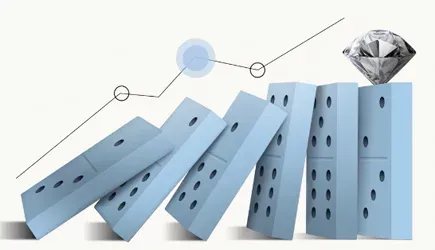
No! The diamond industry is not stockpiling to raise prices. Inventories of natural diamond producers fluctuate across periods of time, especially when they are broken down by size or quality of stones. This is because, unlike other industries, natural diamond producers cannot operate a just-in-time production model to match supply with demand. Inventories are also impacted by seasonal demand patterns and by external events such as the COVID-19 pandemic.

Before a single diamond is recovered, environmental permissions must be granted by governments with a legal obligation for mining companies to have ongoing monitoring, reporting and closure plans.
EARN YOUR CERTIFICATE
COMPLETE THIS MODULE TO RECEIVE
YOUR CERTIFICATE OF ACHIEVEMENT.
Celebrate your knowledge and share what you’ve learned.