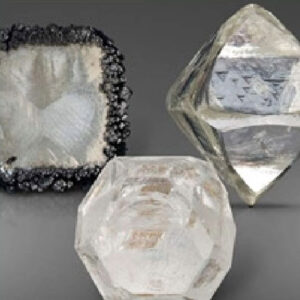
What are Natural Diamonds, Laboratory-Grown Diamonds, and Diamond Simulants?
5 minutes
A natural diamond’s hardness, heat conductivity, and optical properties make them valuable for many industries. However, their rarity makes them too valuable to use for many of these applications. This fact has caused people to try and artificially replicate the unique properties of natural diamonds for decades.
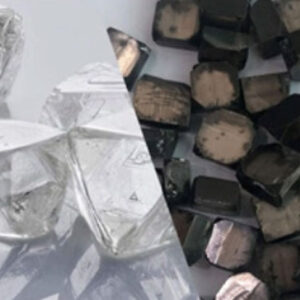
What are the Differences Between Natural and Laboratory-Grown Diamonds?
5 minutes
When comparing natural diamonds and laboratory-grown diamonds, key differences emerge in their origin, formation time, and value, reflecting the unique processes of nature versus human innovation.
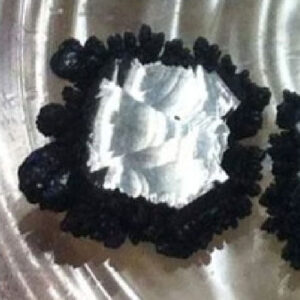
Identifying Laboratory-Grown Diamonds from Natural Diamonds
5 minutes
When comparing natural diamonds and laboratory-grown diamonds, it is important to understand that while they share many physical and chemical characteristics, they are not identical. Professional diamond verification instruments can accurately detect laboratory-grown diamonds, helping protect consumer confidence and ensure transparency across the diamond industry.
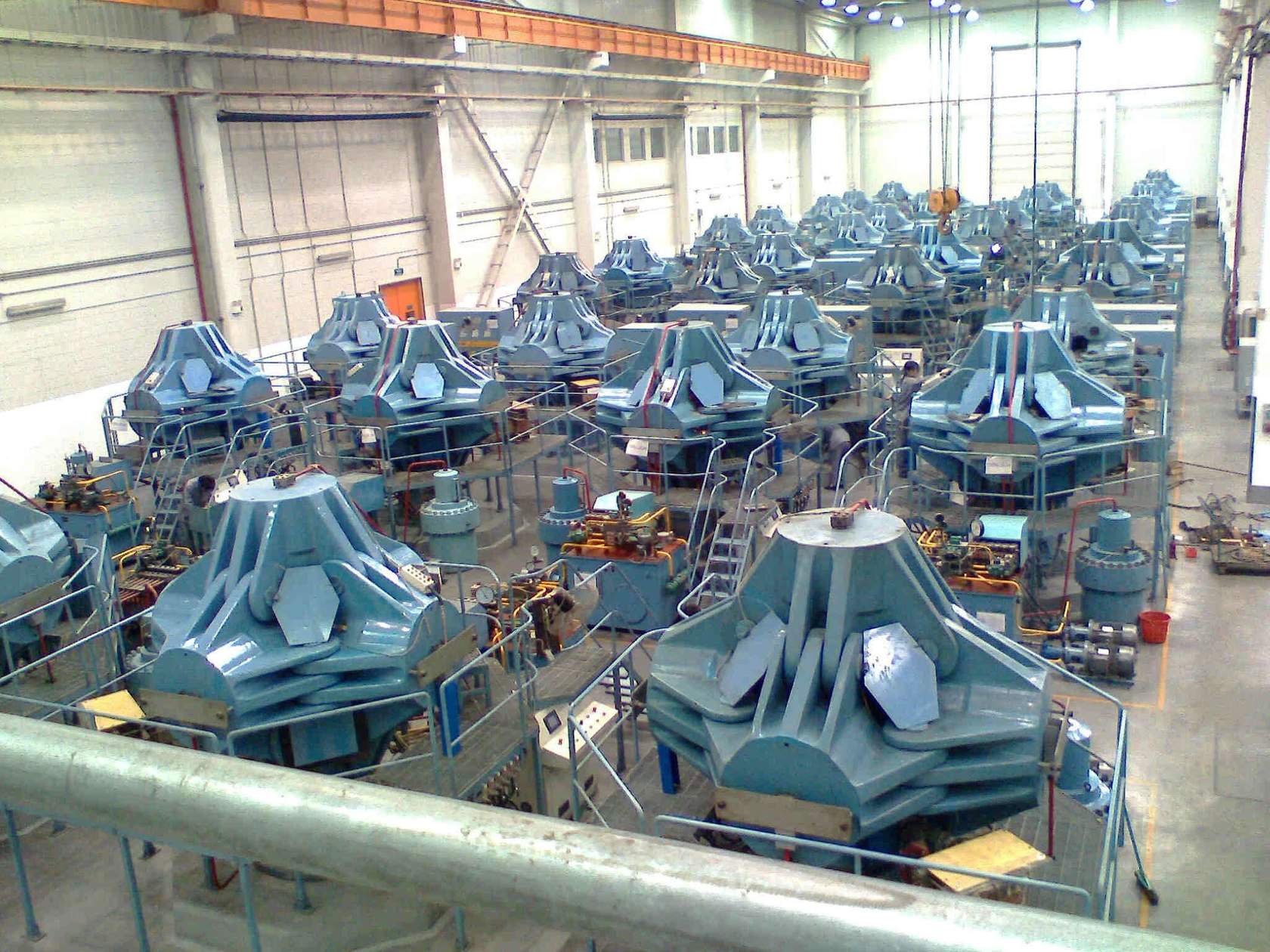
How are Laboratory-Grown Diamonds Made?
5 minutes
There are two main processes used to create laboratory-grown diamonds. The production method used does not affect the look or cost of the finished product.

What to Know About Environmental Claims
5 minutes
Laboratory-grown diamond manufacturers often make eco-claims about their products and at times, they are in violation of the U.S. federal guidelines in doing so. It is important that the consumer is not misled and it is your responsibility to accurately represent the product.
 Frequently Asked Questions
5 minutes

 Register