Register below to get instant access to free, self-paced diamond education. Each 20-30 minute module includes a personalized Certificate of Achievement upon completion. These engaging courses build confidence in diamond storytelling and deliver knowledge beyond the 4Cs – practical, polished, and designed to support informed diamond purchases.
Micro-Modules
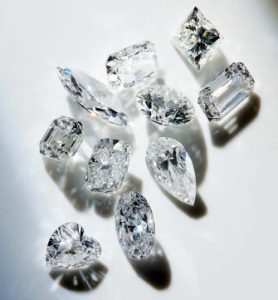
[certificateSecInMod] [courseDetailButtons] Diamonds have been revered for their beauty, symbolism, and significance for thousands of years. Explore why they are a miracle of nature and the emotional, cultural, and positive global impact that defines their value today. IN THIS MODULE, YOU’LL DISCOVER KEY FACTS ABOUT NATURAL DIAMONDS One of the rarest natural substances on Earth. Formed billions of years ago, one of Earth’s oldest materials. Supports over 10 million livelihoods worldwide.
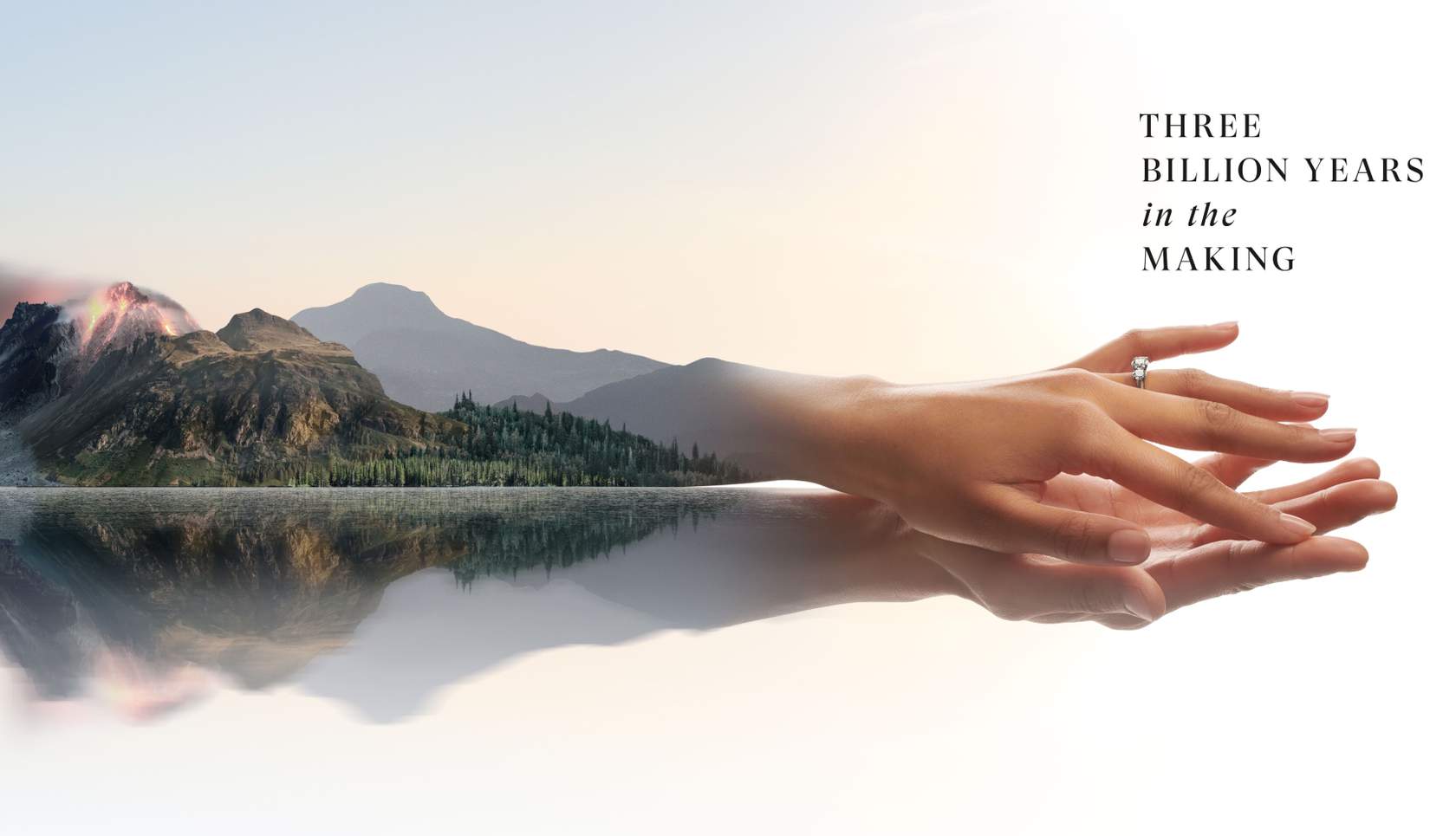
Introduction
Natural diamonds are symbolic. They are passed down through generations and are likely the oldest thing you will ever hold in your hand. The diamond industry provides these wonders to consumers all while providing a positive impact to the communities in which they work.
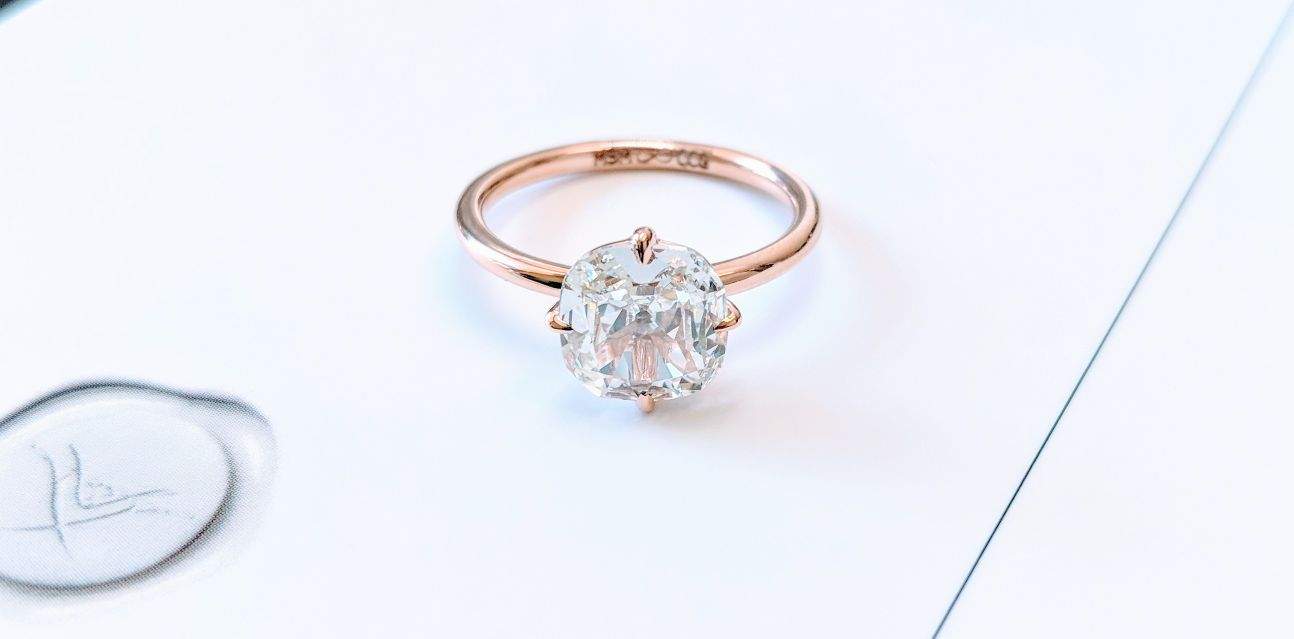
The Billion-Year-Old Story of Natural Diamonds
For millennia, natural diamonds have been a thing of beauty, symbolism, and significance.
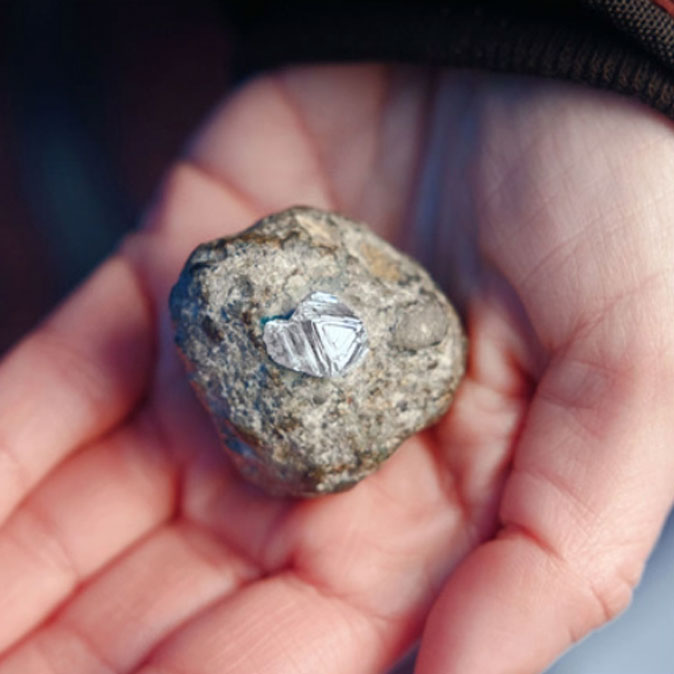
A Miracle of Nature
Many people believe coal plays a role in the formation of diamonds. In fact, most diamonds are much older than the Earth’s first plants, which are source materials of coal.
Natural Diamonds are Rare and Unique
Many say diamonds are the eighth wonder of the world because of their rarity and unique physical properties. Diamonds are in fact one of the rarest natural substances on Earth and fewer and fewer are recovered every year.

Modern Diamond Industry: Ethical and Conflict-Free
Today, conflict diamonds are virtually eliminated from the market.

Natural Diamond Industry Benefits Over 10 Million People Worldwide
The natural diamond sector supports the livelihood of 10 million people globally. There are countless stories of the positive impact of diamond recovery in the areas where they are found.
[certificateSecInMod] [courseDetailButtons] As billion-year-old miracles of nature, natural diamonds have long symbolized love, strength, and authenticity. In recent years, laboratory-grown diamonds have entered the marketplace as man-made alternatives created in controlled environments. Discover the key differences between natural and laboratory-grown diamonds, including their origin, formation, rarity, and value. IN THIS MODULE, YOU’LL DISCOVER KEY FACTS ABOUT NATURAL DIAMONDS Natural and laboratory-grown diamonds differ in origin, rarity, and value. Natural diamonds formed over billions of years beneath the Earth. Laboratory-grown diamonds are created in factories within weeks.
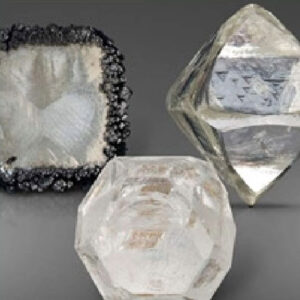
What are Natural Diamonds, Laboratory-Grown Diamonds, and Diamond Simulants?
A natural diamond’s hardness, heat conductivity, and optical properties make them valuable for many industries. However, their rarity makes them too valuable to use for many of these applications. This fact has caused people to try and artificially replicate the unique properties of natural diamonds for decades.
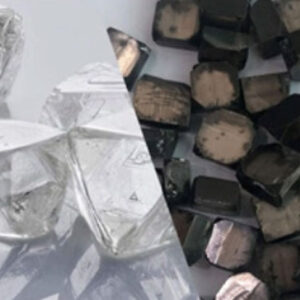
What are the Differences Between Natural and Laboratory-Grown Diamonds?
When comparing natural diamonds and laboratory-grown diamonds, key differences emerge in their origin, formation time, and value, reflecting the unique processes of nature versus human innovation.
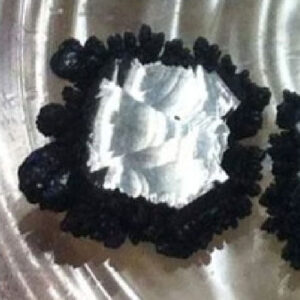
Identifying Laboratory-Grown Diamonds from Natural Diamonds
When comparing natural diamonds and laboratory-grown diamonds, it is important to understand that while they share many physical and chemical characteristics, they are not identical. Professional diamond verification instruments can accurately detect laboratory-grown diamonds, helping protect consumer confidence and ensure transparency across the diamond industry.
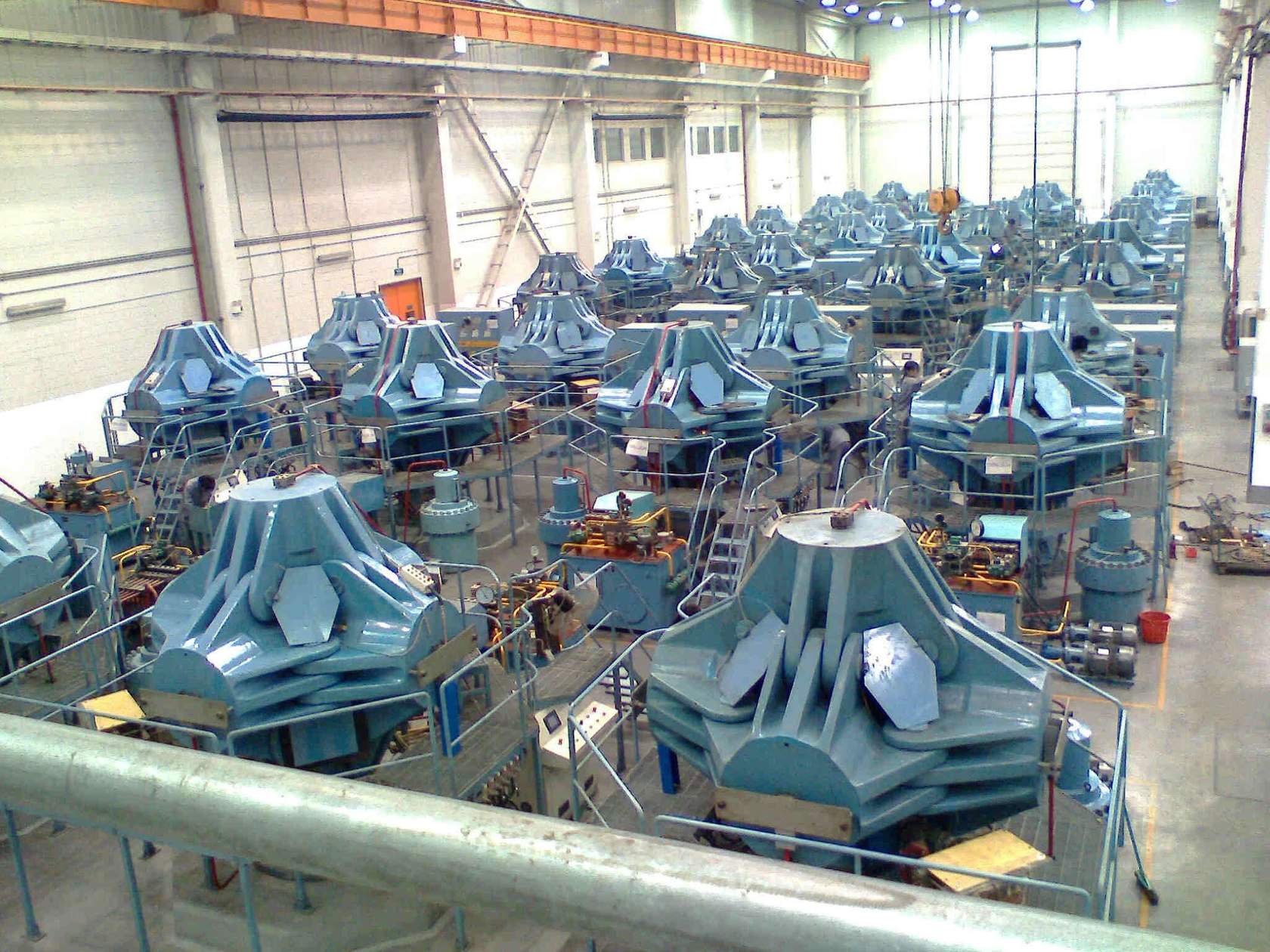
How are Laboratory-Grown Diamonds Made?
There are two main processes used to create laboratory-grown diamonds. The production method used does not affect the look or cost of the finished product.
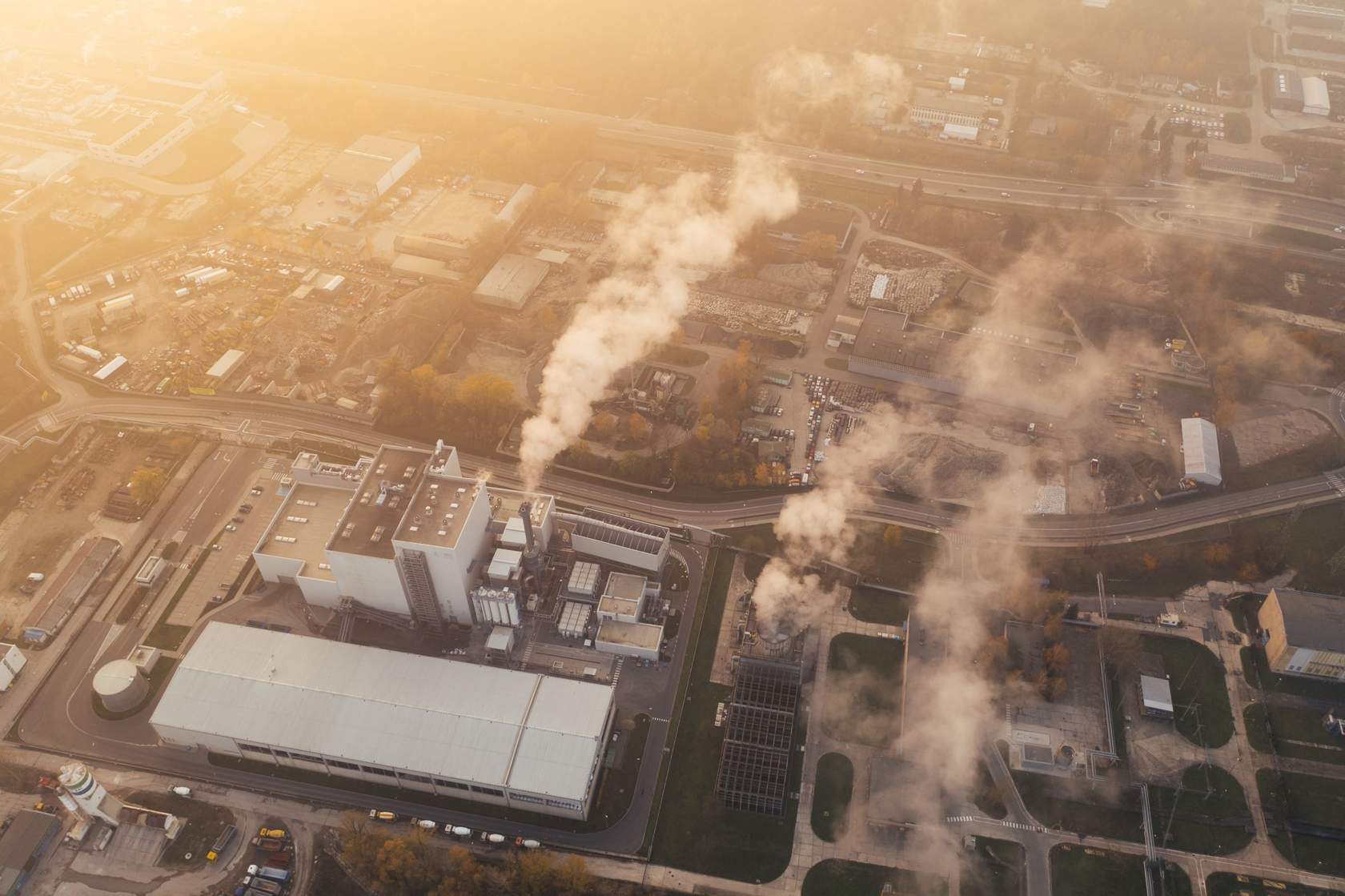
What to Know About Environmental Claims
Laboratory-grown diamond manufacturers often make eco-claims about their products and at times, they are in violation of the U.S. federal guidelines in doing so. It is important that the consumer is not misled and it is your responsibility to accurately represent the product.
 Frequently Asked Questions
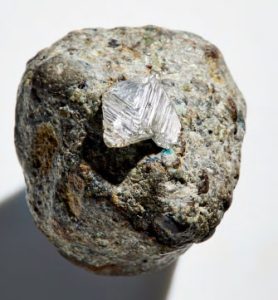
[certificateSecInMod] [courseDetailButtons] Since their discovery over 3,000 years ago, diamonds have shaped history through their beauty, rarity, and symbolism. Explore the evolution of natural diamonds from their formation deep within the Earth to their enduring significance today.
Introduction
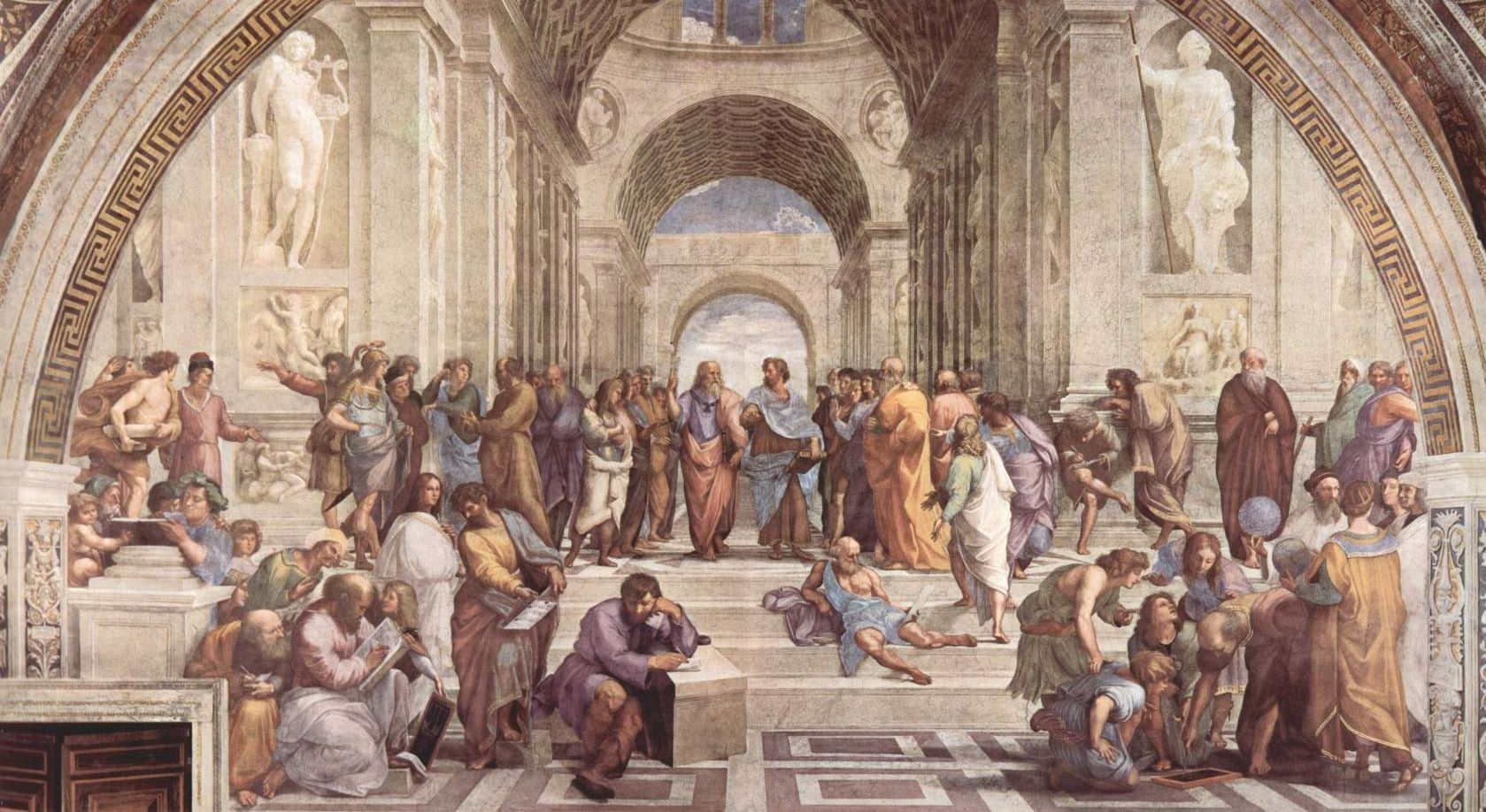
Let us begin at the start, with the formation of diamonds between 1 and 3 billion years ago. Research reveals the oldest, as well as the youngest, diamonds in the world can be found in Canada.
Formation of Natural Diamonds
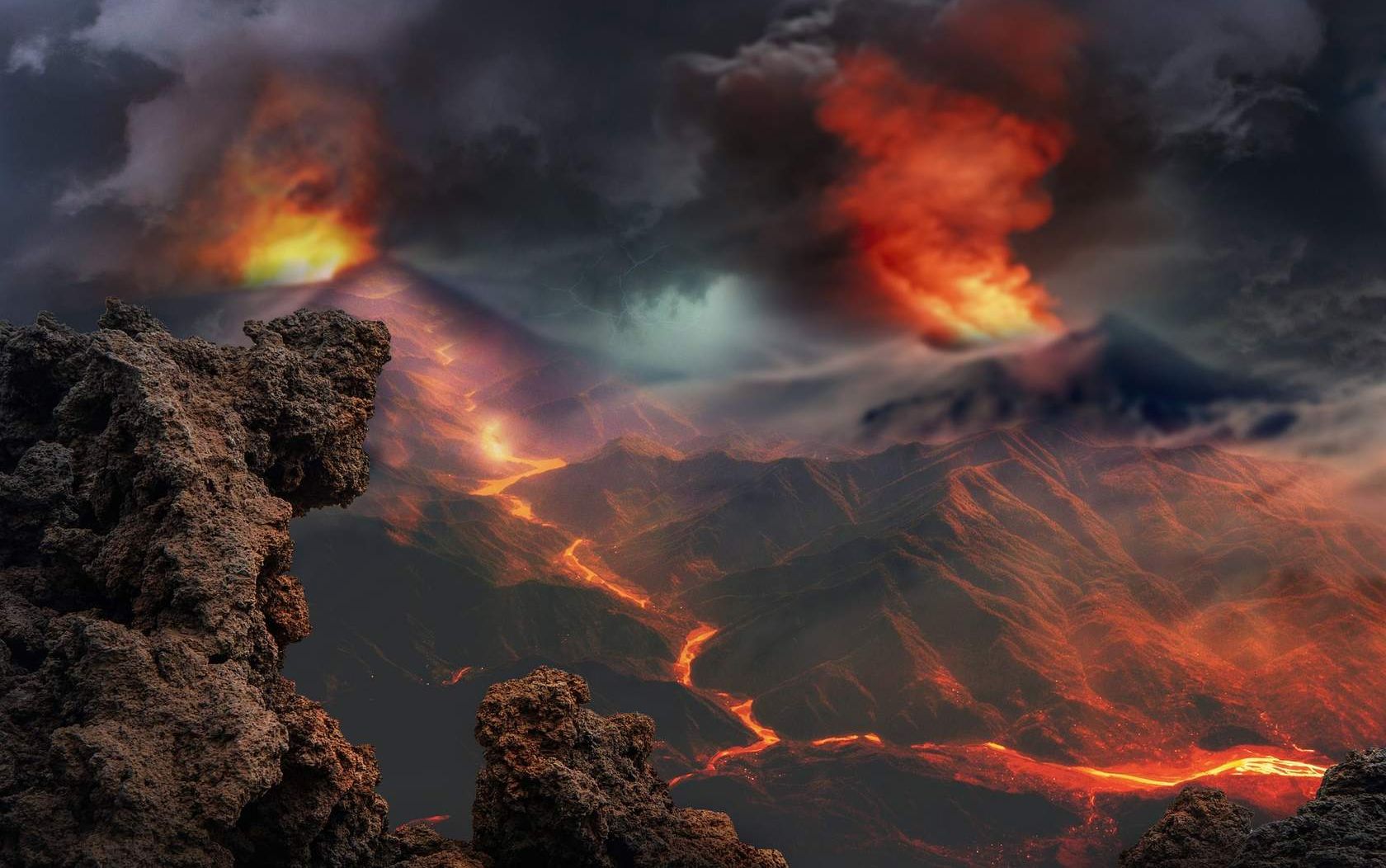
The formation of a natural diamond requires very specific conditions within the Earth.
Human Discovery
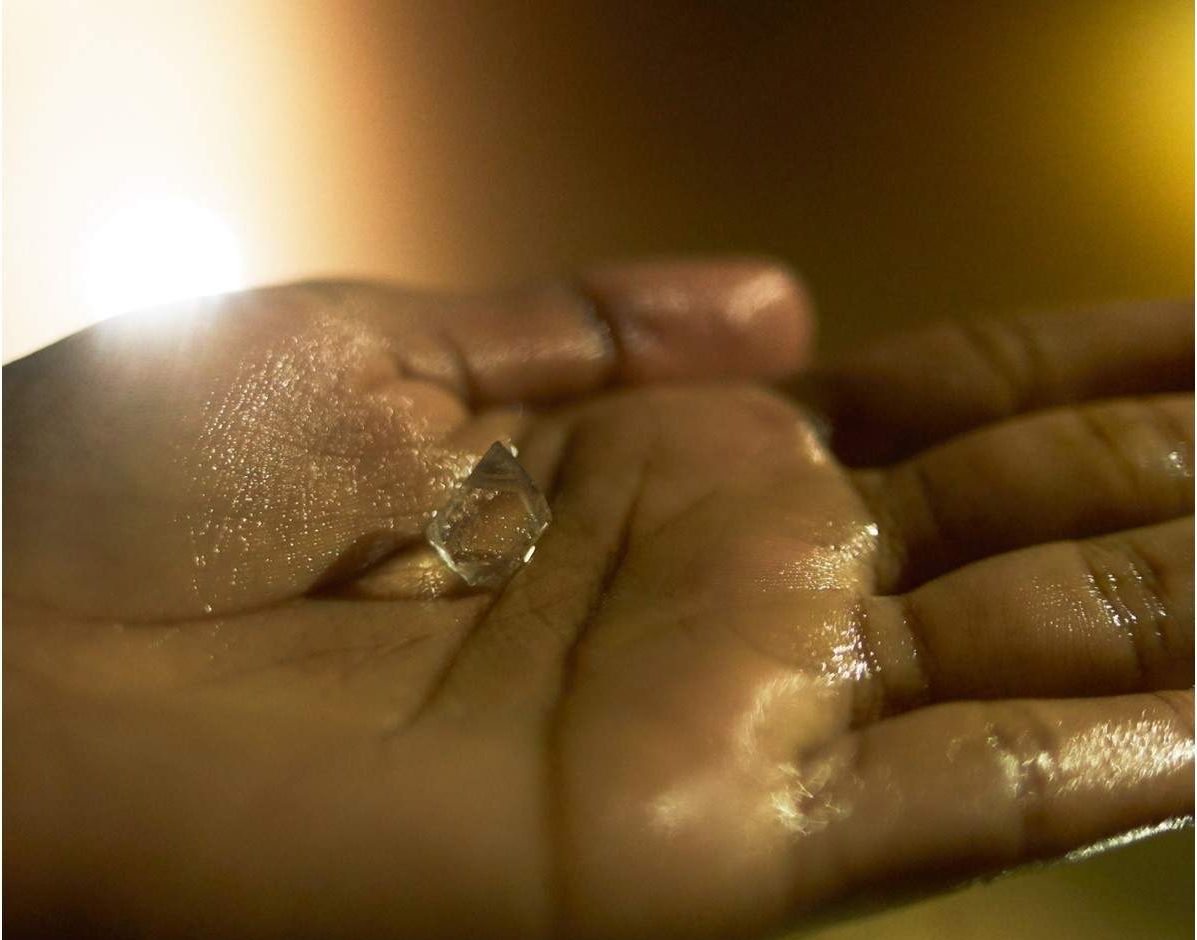
Upon their first discovery, diamonds were highly valued because of their unparalleled strength, brilliance, and ability to refract light, conduct heat, and engrave metal. Such properties had never been seen.
History of Diamond Symbolism
In the Middle Ages (between the 5th and 15th centuries), diamonds were thought to have exceptional healing abilities and considered to be a “miracle stone”. They were believed to have the ability to cure stomachaches, memory loss, depression, fatigue, infections, mental illnesses, nightmares, skin diseases and other head and heart ailments.
Diamonds As a Symbol of Love & Lasting Union
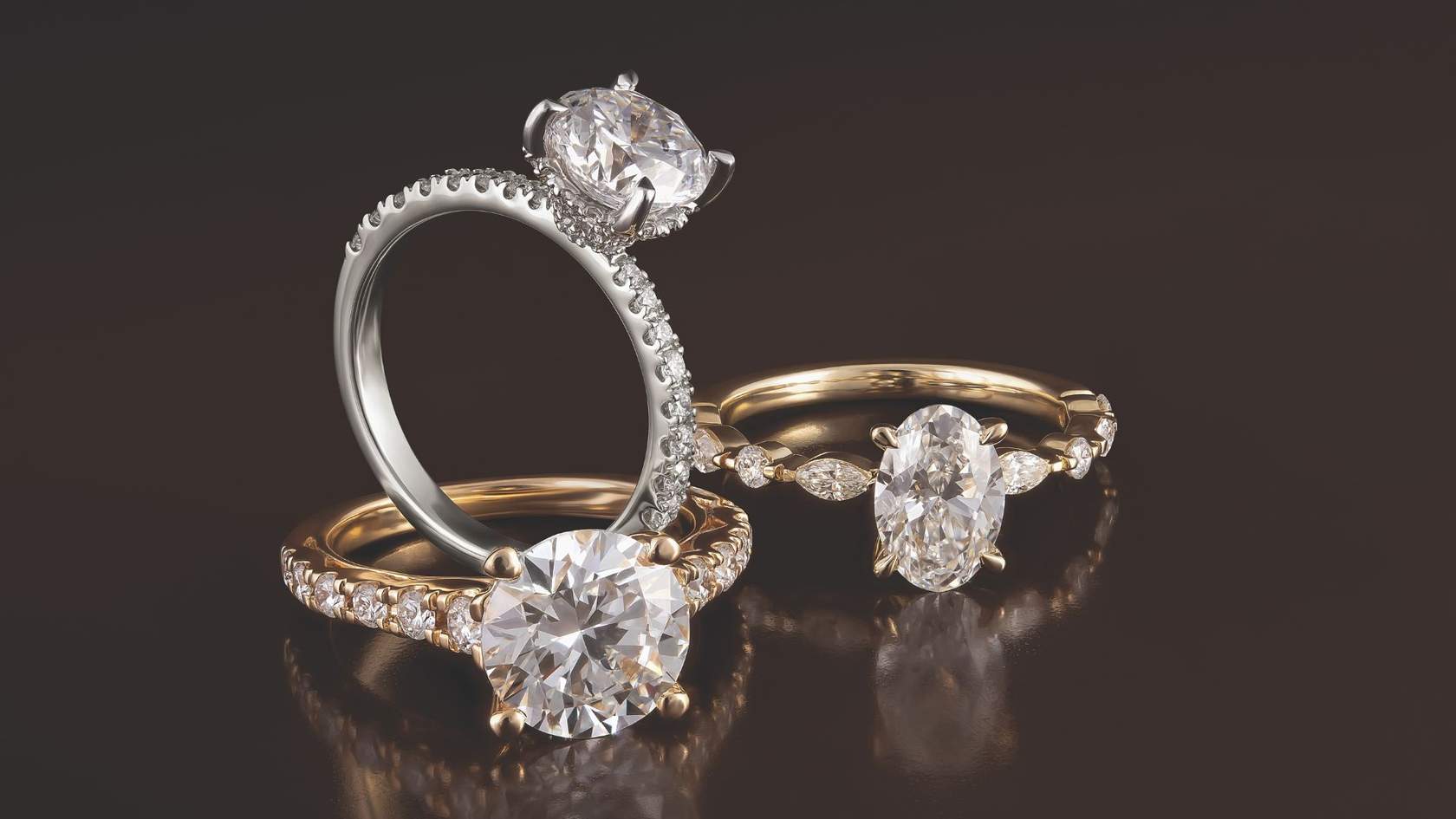
In the past, wedding rings signified a promise or contract between a couple and their two families. They were also tokens or even security deposits that showed a man’s promise was “good as gold”.
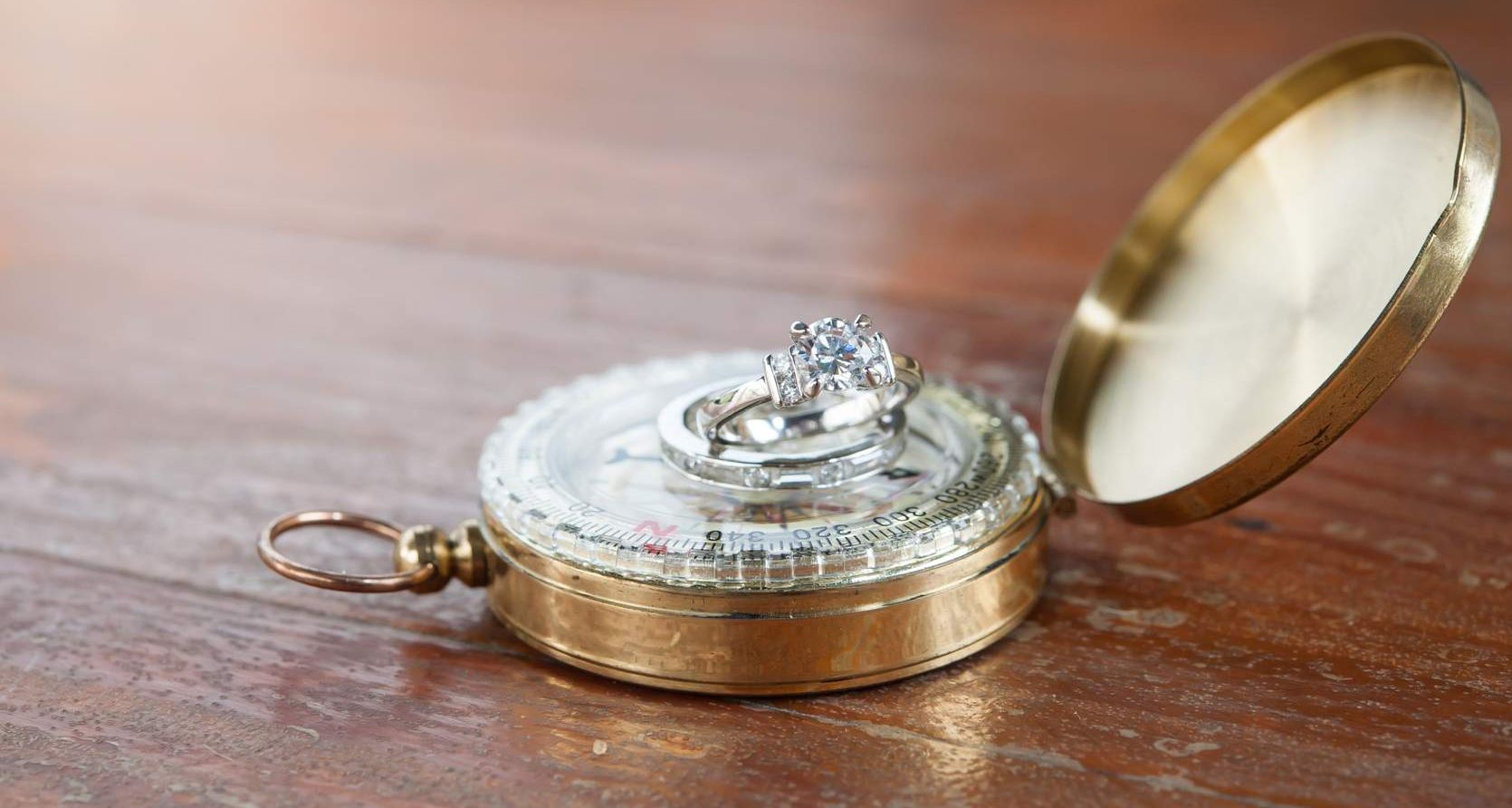
Diamonds in Modern Times
The story of the modern diamond really begins in about 300 BCE when they first appeared in Europe.

[certificateSecInMod] [courseDetailButtons] Over the past few decades, the modern diamond industry has undergone significant positive transformation and is now one of the most regulated industries in the world. Yet many outdated myths and misconceptions still remain. Explore the facts behind natural diamonds through research-backed insights and trusted sources.

Are Natural and Laboratory-Grown Diamonds Different?

Can Natural and Laboratory-Grown Diamonds be Detected?
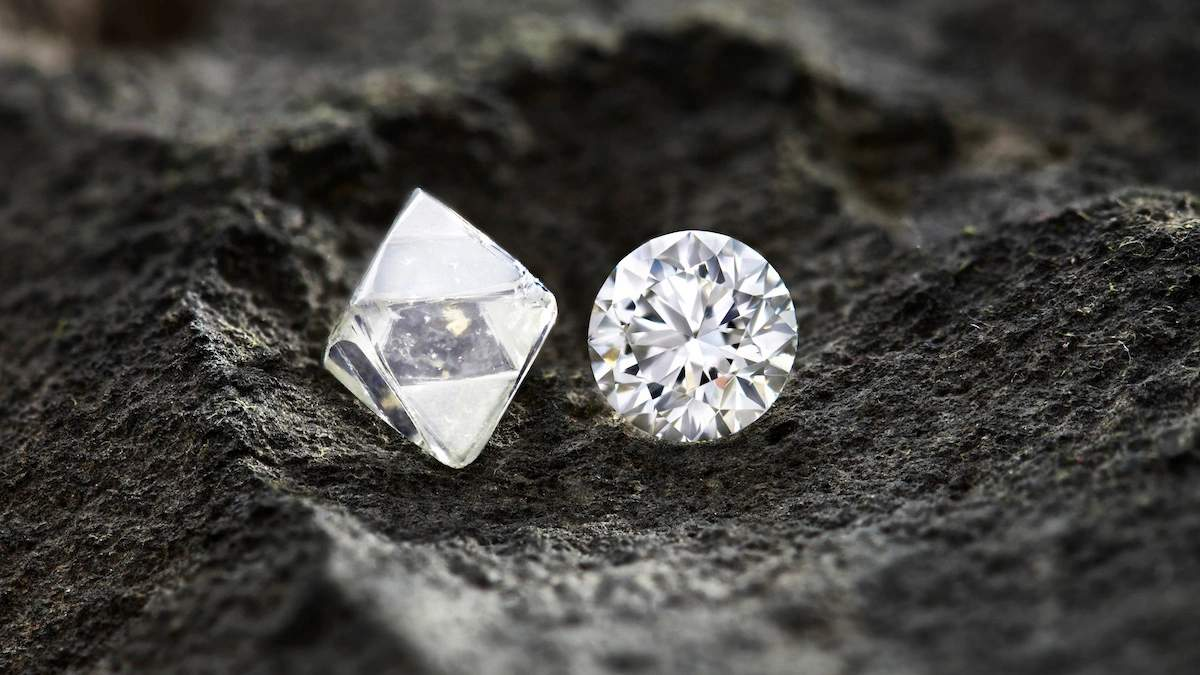
Are Natural Diamonds Really Rare?
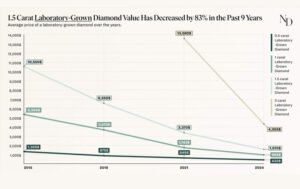
Price Trends for Laboratory-Grown and Natural Diamonds?

Are Natural Diamonds Traceable and Conflict-Free?

Are All Laboratory-Grown Diamonds Eco-Friendly?

How is the Natural Diamond Industry Reducing Carbon Footprint?

Do Natural Diamonds Benefit their Source Countries?

What are the Working Conditions Like in the Diamond Industry?
COVID-19